
Si voy, sí: the difference between sí and si, and what the diacritical accent is

n this article we will examine a topic that, while relatively simple, is a source of frequent mistakes even among native Spanish speakers: the difference between sí, with an accent mark, and si, without an accent mark. We will also see what the diacritical accent is, which is what the word sí has, its general rules of use and examples of other words that also have it. Let's go!
What is the diacritical accent?
The diacritical accent is an accent mark that is placed on certain words, generally monosyllables, that have the same spelling but different meaning and grammatical function. In addition, they are distinguished because, generally, those that carry an accent mark are stressed and those that don’t are unstressed, which gives a subtle difference in their pronunciation, as we will see in some audio examples, although this has some exceptions. Words that carry a diacritical accent should not carry it according to accentuation rules, because they are monosyllables, or because they are graves o llanas and they end in a vowel, n or s, but they carry it precisely for the reasons we pointed out above, not because the accent marks the stressed syllable of the word that carries it. Here you can read more about Spanish accentuation rules and see a list of words that carry diacritical accents and usage examples. Let’s listen to some examples. As you will see, the difference in pronunciation is very subtle.
Él es mi mejor amigo. He’s my best friend.
El perro de mi vecino es muy amistoso. My neighbour’s dog is very friendly.
Todo esto es para mí. All this is for me.
Mi casa está cerca del parque. My house is near the park.
Sí, with an accent mark.
Sí, with accent.
Adverb of affirmation: Sí (yes) is used to respond affirmatively to a question or to confirm or affirm something.
¿Vas a la fiesta? Sí, voy. (Are you going to the party? Yes, I’m going).
¿Te gusta el chocolate? Sí, me encanta. (Do you like chocolate? Yes, I love it).
Creo que sí va a llover hoy. (I think it is going to rain today).
Pronoun: sí (self), always preceded by a preposition, is the reflexive form of the pronouns él, ella, ellos and ellas (he, she, they masculine, they feminine).
Juan habla mucho de sí mismo. Juan habla mucho de él mismo. (Juan talks a lot about himself).
María está orgullosa de sí misma. María está orgullosa de ella misma. (María is proud of herself).
Los estudiantes deben estar orgullosos de sí mismos. Los estudiantes deben estar orgullosos de ellos mismos. (The students should be proud of themselves).
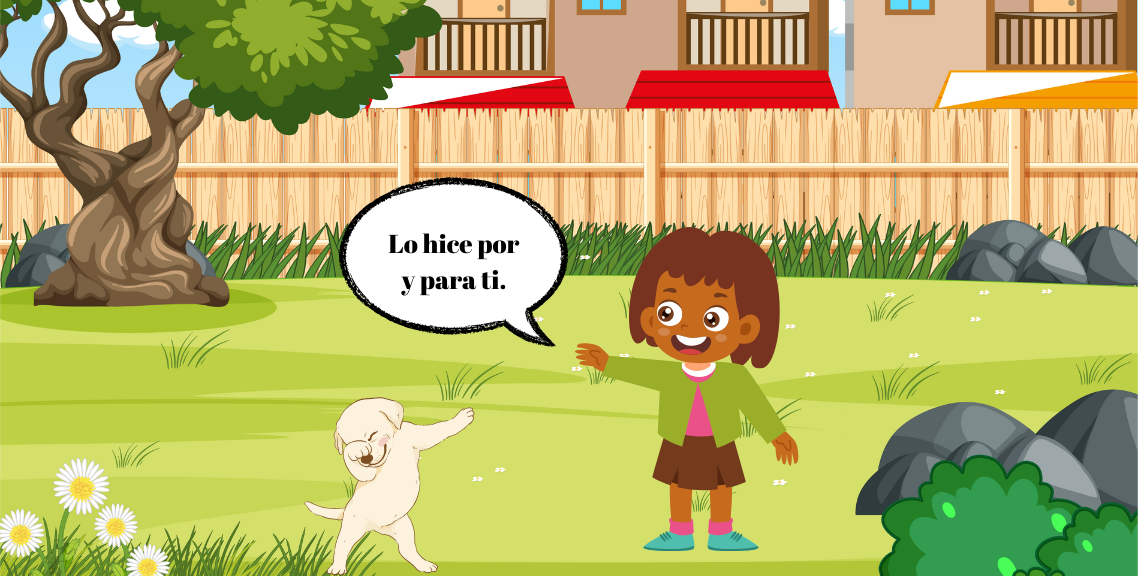
Ellas lo hicieron por sí solas. Ellas lo hicieron solas. (They did it by themselves).
Noun: sí (yes) is also a masculine noun and means consent or approval.
El sí de la novia se escuchó en toda la iglesia. (The bride’s “yes” was heard throughout the church).
Necesitamos un sí rotundo para seguir adelante. (We need a resounding yes to move forward).
Su sí fue la respuesta que esperábamos. (Her yes was the answer we were expecting).
Si, without accent mark.
Conditional conjunction: si (if) introduces conditional sentences, that is, hypothetical situations or conditions.
Si estudias, aprobarás el examen. (If you study, you will pass the exam).
Si llueve, no iremos al parque. (If it rains, we won’t go to the park).
Si tuviera dinero, viajaría por el mundo. (If I had money, I would travel the world).
As seen in the examples, it is frequently used with the following conditional structures:
Si + presente + futuro: Si hace sol, iremos a la playa. (If it’s sunny, we will go to the beach).
Si + imperfecto de subjuntivo + condicional: Si tuviera tiempo, estudiaría más. (If I had time, I would study more).
We will examine these structures in depth in another article.
Indirect interrogative conjunction: si (if/whether) introduces indirect questions, when we don’t ask directly but rather express doubts or uncertainty.
No sé si María vendrá mañana. (I don’t know if/whether María will come tomorrow).
Me pregunto si habrá terminado su trabajo. (I wonder if/whether he will have finished his work).
Dime si necesitas ayuda. (Tell me if you need help).
Conjunction: si (if) can introduce a categorical assertion, contrasting this with another fact.
Si te dije que no salieras, ¿por qué lo hiciste? (If I told you not to go out, why did you do it?).
Si sabes que a tu madre le molesta el ruido, ¿por qué pones la música tan alta? (If you know that noise bothers your mother, why do you play the music so loud?).
Si a mí me dijo que no iría, ¿cómo es que ahora está allí? (If he told me he wouldn’t go, how is it that he’s there now?).
Together with como or que (as/than): conjunction used for comparisons.
Se comportó en la fiesta como si fuera el dueño del lugar. (He behaved at the party as if he were the owner of the place).
Es más fácil terminar con esto que si tuviéramos que empezar de cero. (It’s easier to finish this than if we had to start from scratch).
Noun: si (ti) is the seventh note of the musical scale (do, re, mi, fa, sol, la, si).
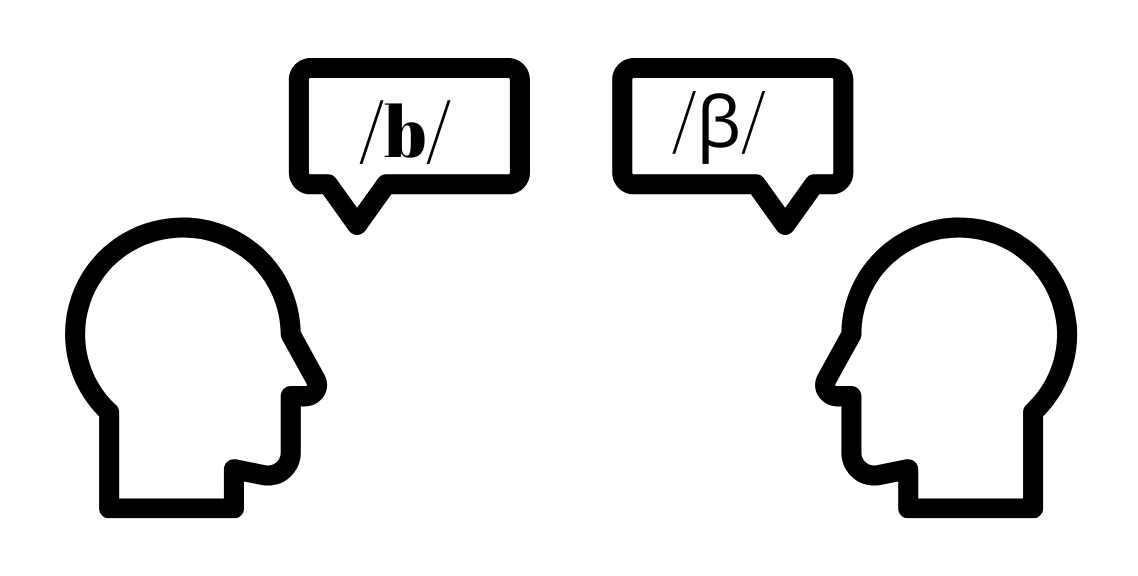
Regarding pronunciation, sí, with accent, is a stressed word that is pronounced with more force and emphasis, while si, without accent, is an unstressed word that is pronounced more quickly and connected to the following word. The difference, in any case, is very subtle: listen.
Si me preguntas si quiero, sí, quiero. (If you ask me if I want to, yes, I do).
No sé si ha dicho que sí, o si lo está dudando. (I don’t know if he said yes, or if he’s hesitating).
Si me dices que sí, nos vamos. (If you say yes, we’ll leave).
I hope this article has been useful to you. Here I leave you exercises to practice this topic and, as always, thank you for reading.

Leave a Reply