
¡No ayude! ¡No, ayude! The use of the comma in Spanish

he RAE dictionary defines the word "coma" in the sense that concerns us here as "Signo ortográfico (,) que se emplea para delimitar, dentro del enunciado, determinados elementos, como componentes de una enumeración, incisos, vocativos o interjecciones" (An orthographic sign (,) that is used to delimit, within the statement, certain elements, such as components of an enumeration, asides, vocatives or interjections). Its use in written language is very frequent and in spoken language in general it is represented by a small pause in speech. The use of the comma is a source of very frequent errors even among native Spanish speakers, to the point that it is common to find errors even in, for example, press media. In this article we will see its most frequent uses and, furthermore, the errors in its use that can be found most often in written language. Moreover, as we will see, in many cases the use of the comma changes the meaning of a statement. Let's go!
Uses of the comma.
The comma in Spanish, as can be seen in this very text, is written attached to what precedes it, whether the last letter of the preceding word or another sign such as a parenthesis, and a space is left between it and the letter or sign that follows it. Below we will see its most important uses and some exceptions to these uses.
Enumerations: one of the most common uses of the comma is to separate elements in a list or enumeration. A comma is placed between all elements, except before the final conjunction (y, o, ni, for example).
En mi maleta llevo ropa, zapatos, libros y documentos. (In my suitcase I carry clothes, shoes, books and documents).
¿Prefieres café, té o chocolate? (Do you prefer coffee, tea or chocolate?).
No tengo tiempo, ganas ni energía para salir. (I don’t have time, will or energy to go out).
Exception: when the elements of the enumeration are complex, that is, they are composed of several words, or already contain internal conjunctions, a comma can be used before the final conjunction for greater clarity.
Visitamos museos de arte moderno, galerías de fotografía, teatros de vanguardia, y parques temáticos para niños. (We visited modern art museums, photography galleries, avant-garde theaters, and theme parks for children).
Vocatives: the vocative is the word or expression with which we name the person to whom we are speaking or that we use to get their attention. It must always be separated by commas regardless of its position in the sentence.
María, ven aquí por favor. (María, come here please).
Buenos días, señor López. (Good morning, Mr. López).
Te lo repito, hijo mío, no llegues tarde. (I’m telling you again, my son, don’t be late).
Estudiantes, abran sus libros en la página 45. (Students, open your books on page 45).
Asides and clarifications: explanations, clarifications or comments that interrupt the discourse are enclosed between commas. These asides can be removed without the sentence losing its meaning.
Mi hermano, que vive en Madrid, vendrá a visitarnos. (My brother, who lives in Madrid, will come to visit us).
El presidente, visiblemente emocionado, pronunció su discurso. (The president, visibly moved, gave his speech).
La novela, escrita en el siglo XIX, sigue siendo relevante hoy. (The novel, written in the nineteenth century, remains relevant today).
España, como sabes, es un país mediterráneo. (Spain, as you know, is a Mediterranean country).
Connectors and discourse markers: connectors and discourse markers (sin embargo, por lo tanto, además, en conclusión, etc.) are usually followed or preceded by a comma.
Estudié mucho; sin embargo, no aprobé el examen. (I studied a lot; however, I did not pass the exam).
Por lo tanto, la reunión queda cancelada. (Therefore, the meeting is canceled).
Es un trabajo difícil, además, mal pagado. (It is difficult work, moreover, poorly paid).
En primer lugar, debemos analizar los datos. (First, we must analyze the data).
Subordinate clauses placed before the main clause: when a subordinate clause (especially conditional, temporal, causal or concessive ones) appears before the main clause it must be separated with a comma.
Si llueve mañana, no iremos a la playa. (If it rains tomorrow, we won’t go to the beach).
Cuando llegues a casa, llámame. (When you get home, call me).
Aunque está cansado, seguirá trabajando. (Although he is tired, he will continue working).
Porque no estudiaste, suspendiste el examen. (Because you didn’t study, you failed the exam).
In the opposite case, that is, if they are not placed before, the comma is not used:
No iremos a la playa si llueve mañana.
Llámame cuando llegues a casa.
Seguirá trabajando aunque está cansado.
Suspendiste el examen porque no estudiaste.
Verbal ellipsis: when a verb that has already been mentioned or is understood is omitted, a comma is placed in its place.
Yo estudié medicina; mi hermano, ingeniería. (I studied medicine; my brother, engineering. – “estudió” is omitted).
Unos prefieren el mar; otros, la montaña. (Some prefer the sea; others, the mountains. – “prefieren” is omitted).
En verano vamos a la playa; en invierno, a esquiar. (In summer we go to the beach; in winter, skiing. – “vamos” is omitted).
Inversion of the order of the sentence: when the usual subject-verb-complements order is altered, especially when beginning with a circumstantial complement, a comma is usually placed.
En aquella época, todo era diferente. (In that era, everything was different).
Por la mañana, me gusta tomar café. (In the morning, I like to have coffee).
Con mucho esfuerzo, logró terminar la carrera. (With great effort, he managed to finish the degree).
In the opposite case the comma is not used:
Todo era diferente en aquella época.
Me gusta tomar café por la mañana.
Logró terminar la carrera con mucho esfuerzo.
Introductory expressions: certain expressions that introduce an idea or comment are followed by a comma.
En mi opinión, deberías aceptar la oferta. (In my opinion, you should accept the offer).
A decir verdad, no me gusta nada. (To tell the truth, I don’t like it at all).
Por cierto, ¿has visto a Pedro? (By the way, have you seen Pedro?).
Es decir, necesitamos más tiempo. (That is, we need more time).
Frequent mistakes in the use of the comma.
Comma between the grammatical subject and the verb: this is the error that, to me personally, causes the most pain in my eyes when I see it. And I have seen it, even in written press media.
Correcto: Los estudiantes aprobaron el año lectivo. (The students passed the school year).
Incorrecto: Los estudiantes, aprobaron el año lectivo.
Correcto: María y sus hermanos viajaron a México. (María and her siblings traveled to Mexico).
Incorrecto: María y sus hermanos, viajaron a México.
The grammatical subject is, to put it in a simple way, who executes the verbal action. In the previous examples, the grammatical subjects are the students, who are the ones who passed, and María and her siblings, who are the ones who traveled. But the grammatical subject can be much longer. Because there can be, for example, conditions that delimit that grammatical subject. In these cases the grammatical subject should not be either separated from the verb:
Correcto: Los estudiantes que entregaron todas las tareas en tiempo y forma y que faltaron menos de 20 veces a clases en el año aprobaron el año lectivo. (The students who submitted all assignments on time and who missed fewer than 20 classes during the year passed the school year).
Incorrecto: Los estudiantes que entregaron todas las tareas en tiempo y forma y que faltaron menos de 20 veces a clases en el año, aprobaron el año lectivo.
Comma between the verb and the direct object: the comma should not be used between the verb and its direct object, which is the grammatical element that suffers or experiences the verbal action.
Correcto: Compré un libro muy interesante. (I bought a very interesting book).
Incorrecto: Compré, un libro muy interesante.
Correcto: María estudia Medicina en la Universidad. (María studies Medicine at the University).
Incorrecto: María estudia, Medicina en la Universidad.
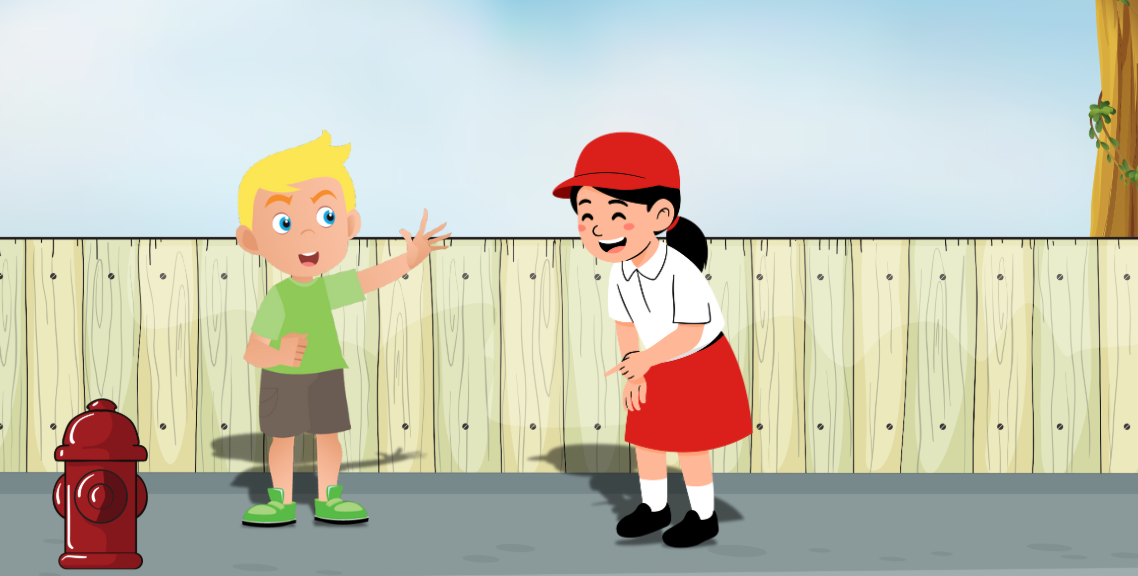
The comma, moreover, especially in sentences that contain verbs that are the same in different tenses or modes or that contain negative particles, can be the element that defines the meaning of the sentence. For example, no, espere (No, wait) conveys the idea that one must wait, while no espere (Don’t wait) conveys the opposite. And Pablo termina de comer (Pablo finishes eating) is a statement in present indicative, while Pablo, termina de comer (Pablo, finish eating) is an order in imperative mood. With this we reach the end of these lines that I hope you have found interesting and useful. Here I leave you exercises to practice this topic. Thank you for reading!


Leave a Reply